The line creeps forward. In front of you, a guy with the face of defeat is trying to wedge a backpack that looks like a medieval cart with straps into Ryanair's metal sizer. It won't fit. The agent looks at him the way a surgeon looks at an X-ray: he already knows the diagnosis, he just needs to sign the invoice.
44.99€.
You smile. Your backpack is two people behind, compressed with a W36, with everything you need for a week in Lisbon, measuring exactly 39.5 x 29.5 x 19.5 cm. Three millimeters of margin and a clean conscience.
What separates one from the other isn't luck. It's information.
And in 2026, that information changes every three months. Wizz Air is no longer "no weight declared" — it's now 10 kg. Iberia Express changed its personal item dimensions. Ryanair keeps raising the Priority price like it's Argentine inflation. And the Americans let you bring twice as much as a European... but only if you pay full fare.
This guide is what you wish someone had handed you the first time you flew low-cost: the real, official, May-2026-verified dimensions for 20 airlines, sorted by category, with the source link so you can double-check before leaving home.
Welcome to your new cabin bible.
TL;DR — If you have 45 seconds
- The size that fits all of them: 40 x 30 x 20 cm (Ryanair/Wizz/Vueling's famous "underseat"). If your backpack respects that and you compress what's inside, you'll clear any boarding gate on the planet without paying.
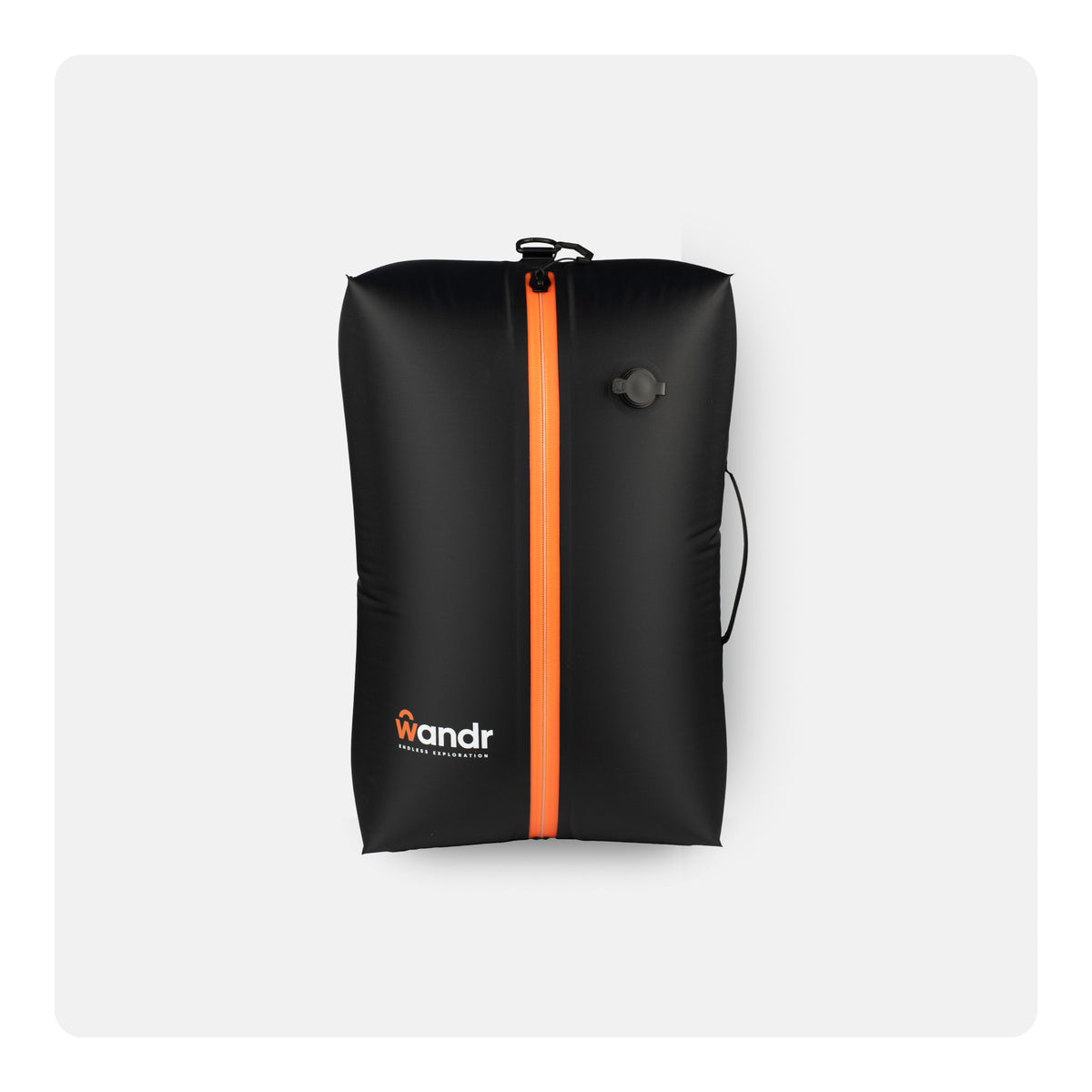
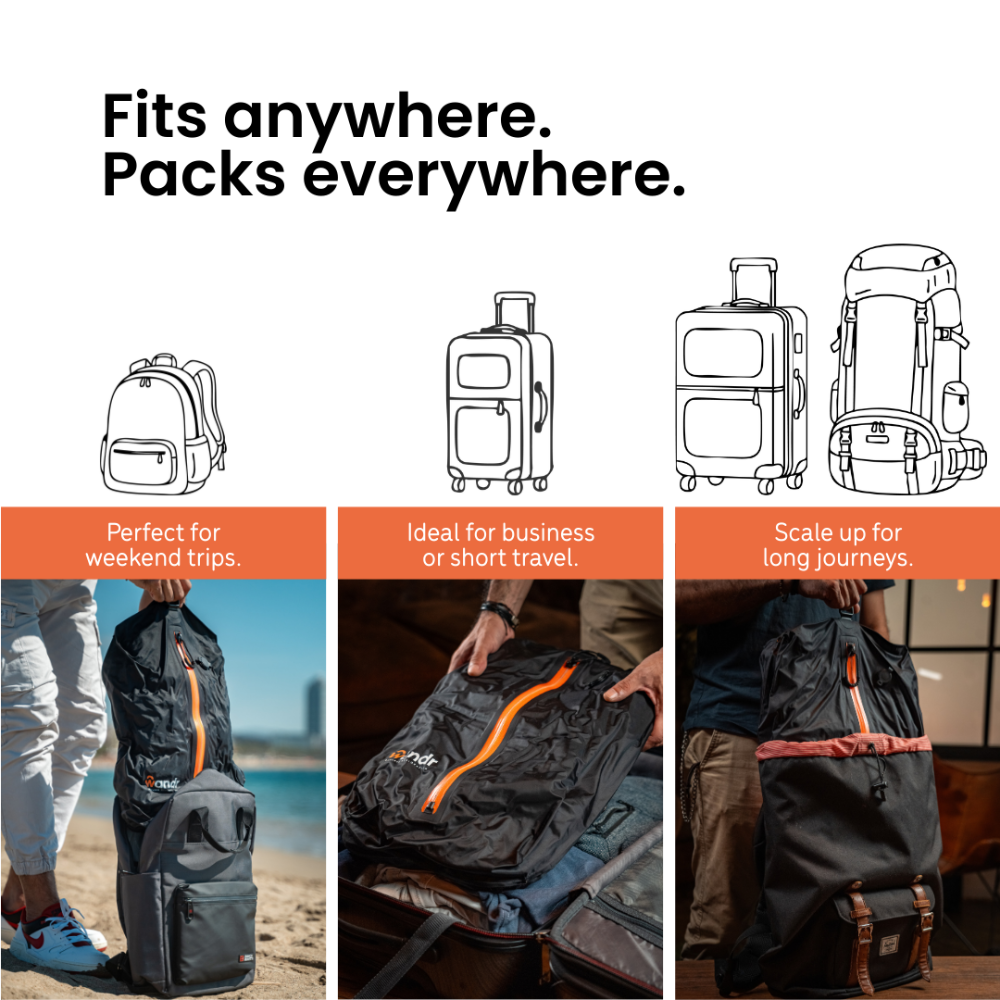
- The universal perfect backpack: between 30L and 36L, soft, no rigid structure, with internal compression. Wandr's W36 was built exactly for this.
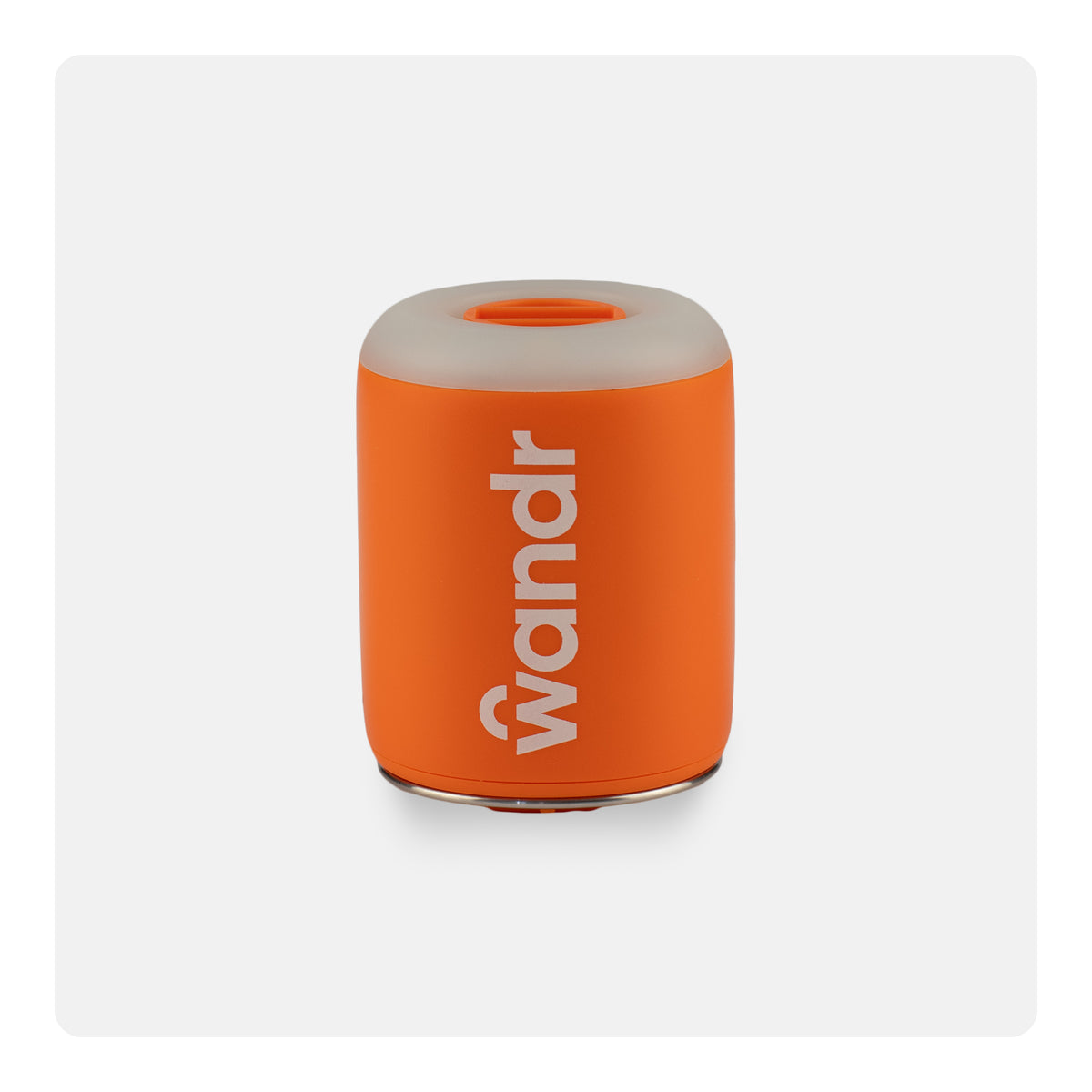
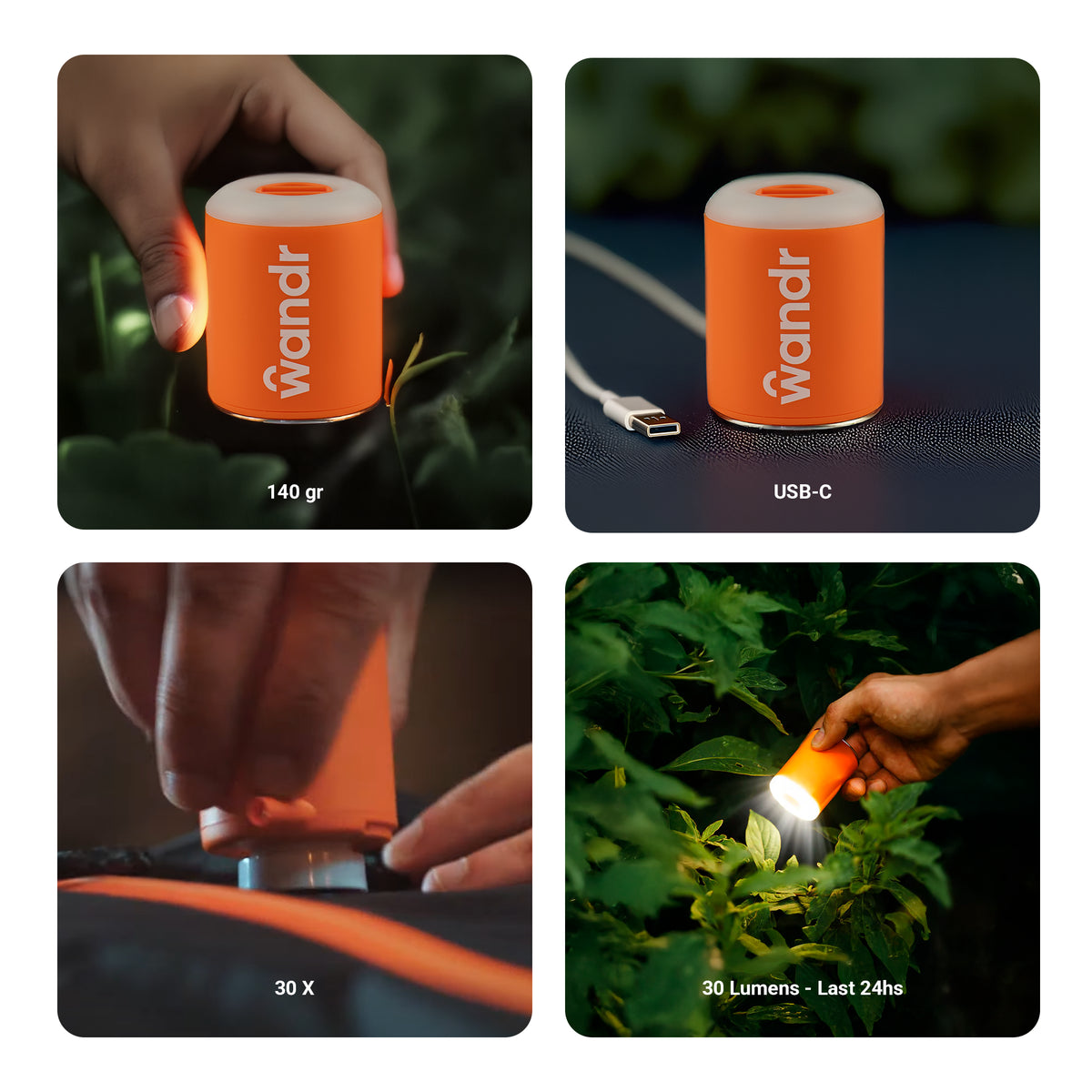
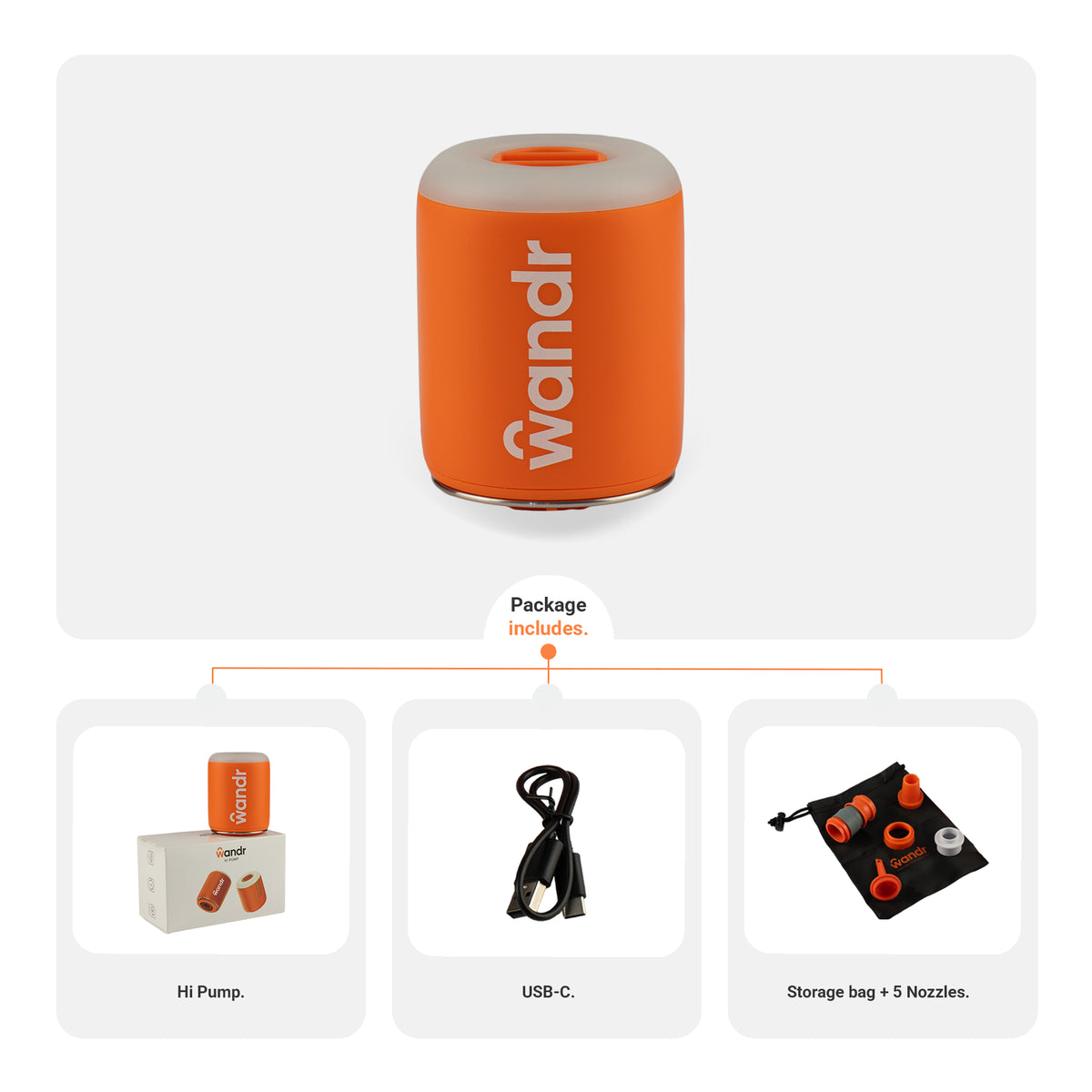
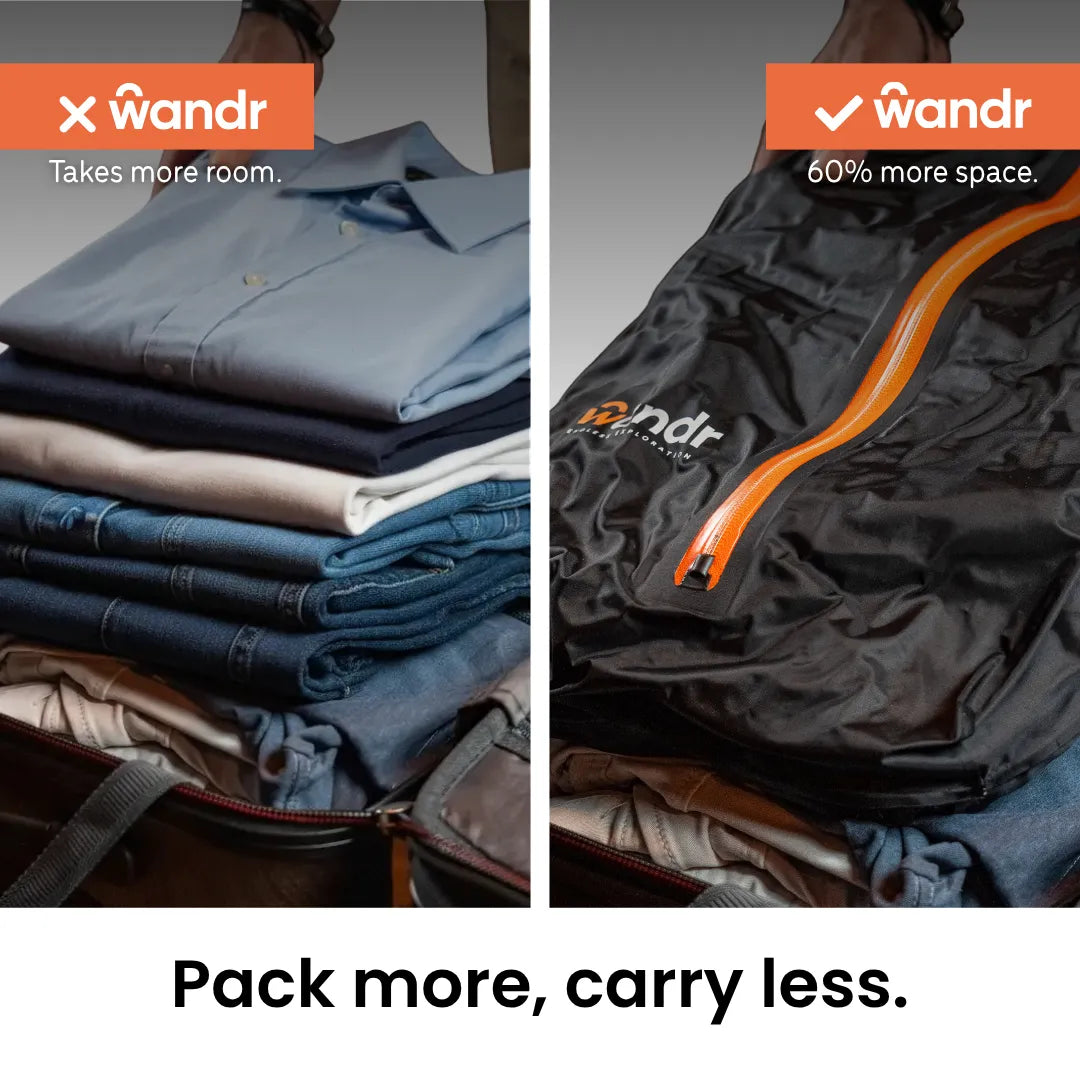
- The trick for everything else: a HiPump and a W36 pull the air out of your clothing in 30 seconds. Result: the same 7-day wardrobe fits where you used to barely cram 3 days.
- No weight declared: Ryanair, Vueling, JetBlue, Delta, American, Southwest, United. They do weigh: Wizz (10 kg), EasyJet (15 kg), Lufthansa (8 kg), Air France (12 kg), Emirates (7 kg), Qatar (7 kg), Singapore (7 kg), LATAM (10 kg).
- The deal: the Pack 4 — 4 W36 + HiPump — is $120.73 (down from $243.56, −50% this season) with free shipping. Enough so that you, your partner and two friends never check a bag again. New here? Subscribe to the blog for $10 off your first order.
Master table: 20 airlines, one screen
| Airline | Free backpack (cm) | Cabin bag (cm) | Weight | Source |
|---|---|---|---|---|
| Ryanair | 40 x 30 x 20 | 55 x 40 x 20 (Priority) | Not declared | Official |
| Wizz Air | 40 x 30 x 20 | 55 x 40 x 23 (Priority) | 10 kg | Official |
| Vueling | 40 x 20 x 30 | 55 x 40 x 20 (Basic+) | Not declared | Official |
| EasyJet | 45 x 36 x 20 | 56 x 45 x 25 (Plus) | 15 kg | Official |
| Norwegian | 38 x 30 x 20 | — | 10 kg | Official |
| Volotea | 55 x 40 x 20 + small bag | — | 10 kg total | Official |
| Iberia Express | 40 x 30 x 15 (personal) | 56 x 40 x 25 | 10 kg | Official |
| Aer Lingus | 25 x 33 x 20 (small) | 55 x 40 x 24 | 7-10 kg | Official |
| SAS Go Light | 40 x 30 x 15 | — | 8 kg | Official |
| LEVEL | 40 x 30 x 15 | 55 x 40 x 20 | 10 kg | Official |
| Lufthansa | 40 x 30 x 10 (personal) | 55 x 40 x 23 | 8 kg | Official |
| Air France | 40 x 30 x 15 (personal) | 55 x 35 x 25 | 12 kg total | Official |
| United | 43 x 25 x 23 (personal) | 56 x 35 x 23 | Not declared | Official |
| Delta | 45 x 35 x 20 (personal) | 56 x 35 x 23 | Not declared | Official |
| American | 45 x 35 x 20 (personal) | 56 x 36 x 23 | Not declared | Official |
| Southwest | 41 x 34 x 20 (personal) | 61 x 41 x 25 | Not declared | Official |
| JetBlue | 43 x 33 x 20 (personal) | 56 x 35 x 23 | Not declared | Official |
| Emirates | — | 55 x 38 x 20 | 7 kg | Official |
| Qatar Airways | underseat + main | 50 x 37 x 25 | 7 kg | Official |
| Singapore Airlines | 40 x 30 x 10 (personal) | 55 x 40 x 20 | 7 kg | Official |
| LATAM | 46 x 36 x 20 (personal) | 55 x 35 x 25 | 10 kg | Official |
How to read this table: the "Free backpack" column is what you can bring without paying anything extra on the cheapest fare. If the airline doesn't offer a separate free personal item (Ryanair, Wizz, Vueling), then the backpack is your one and only piece. In EU low-cost, the golden category is 40 x 30 x 20 cm.
EU low-cost: the academy of discipline
No mercy here. EU low-cost is the airline equivalent of a final exam with a panel: metal sizer, hidden scale, and an agent trained to spot backpacks that breathe. Welcome to the world where a well-compressed backpack is worth more than a hotel upgrade.
Ryanair — the elegant villain
Dimensions: 40 x 30 x 20 cm, no weight declared. Cabin bag: 55 x 40 x 20 cm, only if you pay Priority & 2 Cabin Bags (between 9.49€ and 44.99€).
Ryanair doesn't declare weight because they know the bottleneck is size. If it fits the sizer, you're in. If not, that's 75€ at the gate. For a deeper dive we have a full blog on how to pack for Ryanair without paying a single euro extra.
Wizz Air — the one that now weighs you
Dimensions: 40 x 30 x 20 cm, up to 10 kg. New 2026 trap: since late 2025 Wizz declares weight. It used to mirror Ryanair, not anymore. If your backpack is dense (books, electronics), weigh it before leaving the house.
Vueling — Ryanair's Spanish twin
Dimensions: 40 x 20 x 30 cm. No weight. Basic fare only includes this piece; the 55 x 40 x 20 cm cabin bag requires Basic+, Optima, or Optima Pet fare, or pay extra.
EasyJet — generous with conditions
Dimensions: 45 x 36 x 20 cm free for everyone, up to 15 kg. More generous than Ryanair in dimensions, with a declared but high weight allowance. The bigger 56 x 45 x 25 cm bag requires Plus fare or club membership.
Norwegian — the quiet Nordic
Dimensions: 38 x 30 x 20 cm, 10 kg. Strict. Like good Scandinavians: they won't argue, they'll just charge you.
Volotea — the one that lets you breathe
Dimensions: 55 x 40 x 20 cm + small bag, 10 kg total. The least hostile low-cost. They allow full-size cabin bag without Priority. If you're flying Volotea, you can relax a bit.
Traditional European: civilization has its rules
Things shift here. Lufthansa, Air France and Iberia treat you like a passenger, not a suspect. Dimensions are more generous, weights appear declared, and penalties are reasonable. Heads up though: in Light/Basic fares, many now copy the low-cost model.
Lufthansa — the efficient German
Dimensions: personal 40 x 30 x 10 cm + cabin 55 x 40 x 23 cm, 8 kg combined. The 23 cm depth is 3 cm more than Ryanair: sounds minor, but in a structured backpack it means literally one more t-shirt.
Air France — the elegant one
Dimensions: personal item 40 x 30 x 15 cm + cabin 55 x 35 x 25 cm, 12 kg combined. The 12 kg cap is one of the highest in Europe.
Iberia Express — the confusing one
Dimensions: personal 40 x 30 x 15 cm + cabin 56 x 40 x 25 cm, 10 kg total. Careful: the accessory dimensions changed in 2025 (previously 45 x 35 x 20).
Aer Lingus — the multi-tier Irish
Dimensions: depends on your fare. Emerald gives you 25 x 33 x 20 cm + 55 x 40 x 24 cm with 10 kg total. Basic fares only the personal item. As always, read the fine print.
SAS Go Light — the minimalist
Dimensions: 40 x 30 x 15 cm, 8 kg. Scandinavian's Go Light fare is the most restrictive among European traditional carriers. It's basically low-cost in disguise.
LEVEL — the Spanish premium low-cost
Dimensions: 40 x 30 x 15 cm (Smart), 55 x 40 x 20 cm + 10 kg in higher fares.
American carriers: generous with an asterisk
In the US, cabins are bigger, suitcases are wider, and nobody weighs anything. Sounds like heaven, but there's a catch: Basic Economy doesn't include a carry-on. If you book the cheapest United or American fare, you only get a personal item under the seat. The big backpack goes overhead only if you pay Main Cabin or higher.
United — the office in the sky
Dimensions: personal 43 x 25 x 23 cm + carry-on 56 x 35 x 23 cm. No weight declared (officially; in practice, if you can't lift it into the bin yourself, problem). Basic Economy: personal item only.
Delta — the generous personal item
Dimensions: personal 45 x 35 x 20 cm + carry-on 56 x 35 x 23 cm. No declared weight. More relaxed at the gate than United. Even in Basic Economy they allow a fairly large personal item.
American — the unwritten limit
Dimensions: personal 45 x 35 x 20 cm + carry-on 56 x 36 x 23 cm. Officially no weight, but there's an internal guideline of 18 kg selectively enforced. If your backpack looks like a sack of cement, expect to weigh it.
Southwest — the rebel
Dimensions: personal 41 x 34 x 20 cm + carry-on 61 x 41 x 25 cm (the biggest in the US). And they still allow two free checked bags. If your route flies Southwest, you've already won.
JetBlue — the strict one with the sizer
Dimensions: personal 43 x 33 x 20 cm + carry-on 56 x 35 x 23 cm. JetBlue has a reputation for enforcing dimensions with a metal sizer at the gate. Don't relax just because it's a US carrier.
Asian and Middle Eastern: the discipline of weight
Here the villain isn't size: it's the scale. Emirates, Qatar and Singapore Airlines let you carry a reasonable cabin bag, but the weight cap is 7 kg. Yes, seven. That's basically: clothes, electronics, toiletries... and nothing else.
Emirates — the golden one
Dimensions: 55 x 38 x 20 cm, 7 kg. Strict at check-in, less so at the gate. The cabin bag is large, but 7 kg kills all hope if you're carrying serious electronics. Exception for flights to/from Brazil: 10 kg.
Qatar Airways — the dual
Dimensions: 50 x 37 x 25 cm, 7 kg. They allow a main piece + an underseat, both adding up to 7 kg total. Meaning: no, not two 7 kg pieces. It's the sum.
Singapore Airlines — the chic one
Dimensions: cabin 55 x 40 x 20 cm + personal 40 x 30 x 10 cm, 7 kg total. The sum of any piece's three dimensions can't exceed 115 cm. Singapore staff is famous for courtesy, not flexibility.
LATAM — the South American
Dimensions: personal 46 x 36 x 20 cm + carry-on 55 x 35 x 25 cm, 10 kg in Economy. Premium Economy and Business jump to 16 kg. The Basic/Promo fare doesn't include carry-on, same as the US model. More info in LATAM's official carry-on policy.
The regulation that ties them all: EU & IATA
If you got lost with all the variables, this is the only common rule across every commercial airline flying in/from Europe:
- Implementing Regulation (EU) 2015/1998 — the official text regulating liquids, gels and aerosols in the cabin (100 ml max, 1 L clear bag). Enforced across EU airports under the European Commission — DG MOVE and EASA.
- CT 3D scanners — airports like Amsterdam, Berlin, Dublin, Frankfurt, Milan-Linate, Rome and most UK majors already allow up to 2 L per container. Adoption is voluntary, always verify your departure airport.
- IATA — lithium batteries — max 27,000 mAh in the cabin. Never checked. Applies globally.
- Cabin dimensions: not EU-regulated. Each airline sets its own. That's why this table has 20 different sizes.
If you want to go deeper on what you can and can't bring in the cabin, our deep-dive carry-on luggage: what you can and can't bring on a plane covers liquids, electronics, food and prohibited items in detail.
The ideal backpack according to this table
After looking at 20 airlines, the pattern is clear: the backpack that fits all of them measures between 40 x 30 x 20 cm and 55 x 40 x 20 cm, weighs less than 1 kg empty, and compresses.
Three non-negotiable conditions:
- Maximum underseat dimensions: 40 x 30 x 20. If your backpack respects that empty but bloats when full, you lose. You need a backpack soft on the outside, structured on the inside.
- Empty weight under 1 kg. If your backpack weighs 1.5 kg from the factory, on airlines like Emirates (7 kg total) you start with only 5.5 kg of headroom. You're already limping.
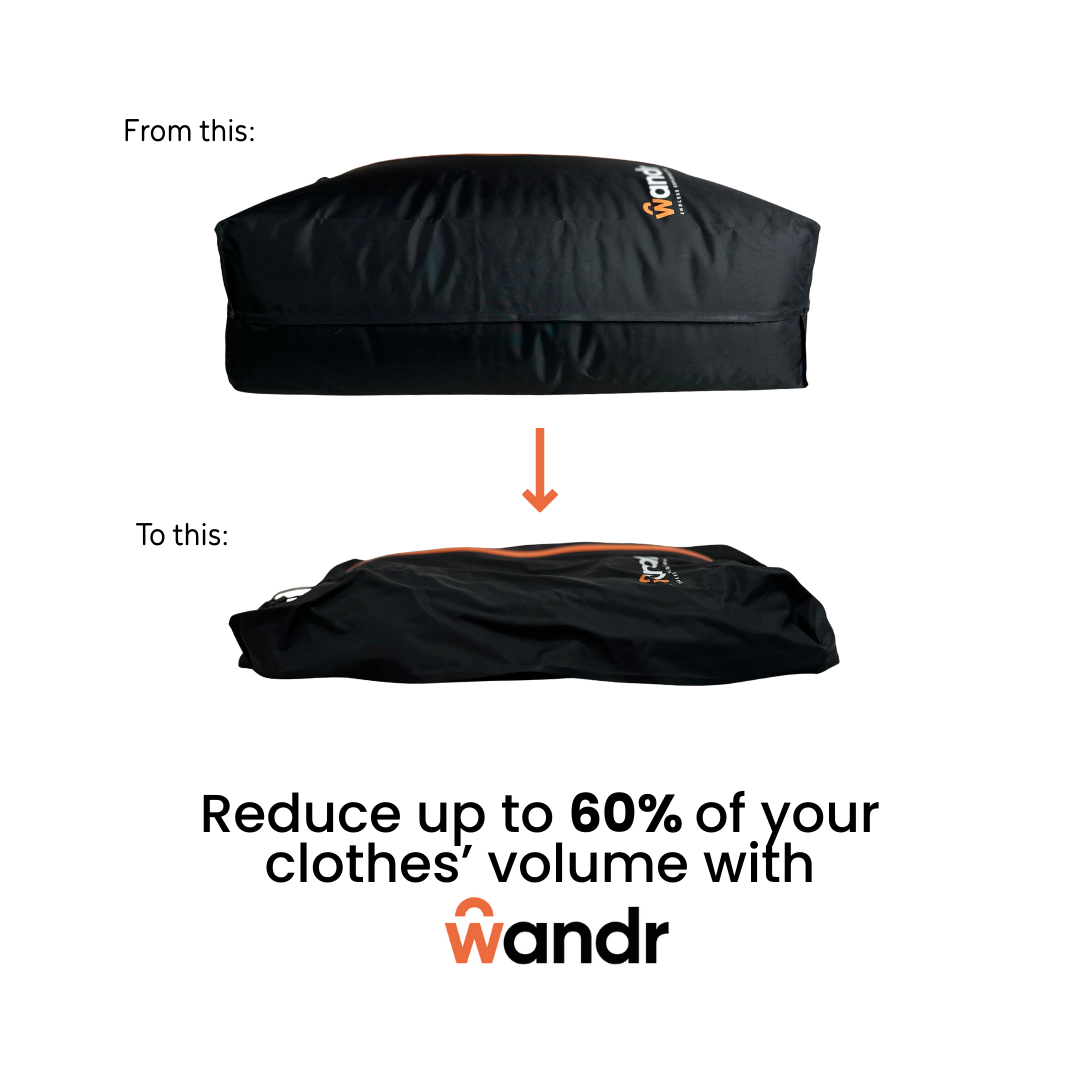
- Internal compression. Air is the invisible enemy. A 7-day wardrobe uncompressed takes 18 liters; compressed with a W36 and a HiPump, 7 liters. Three times less.
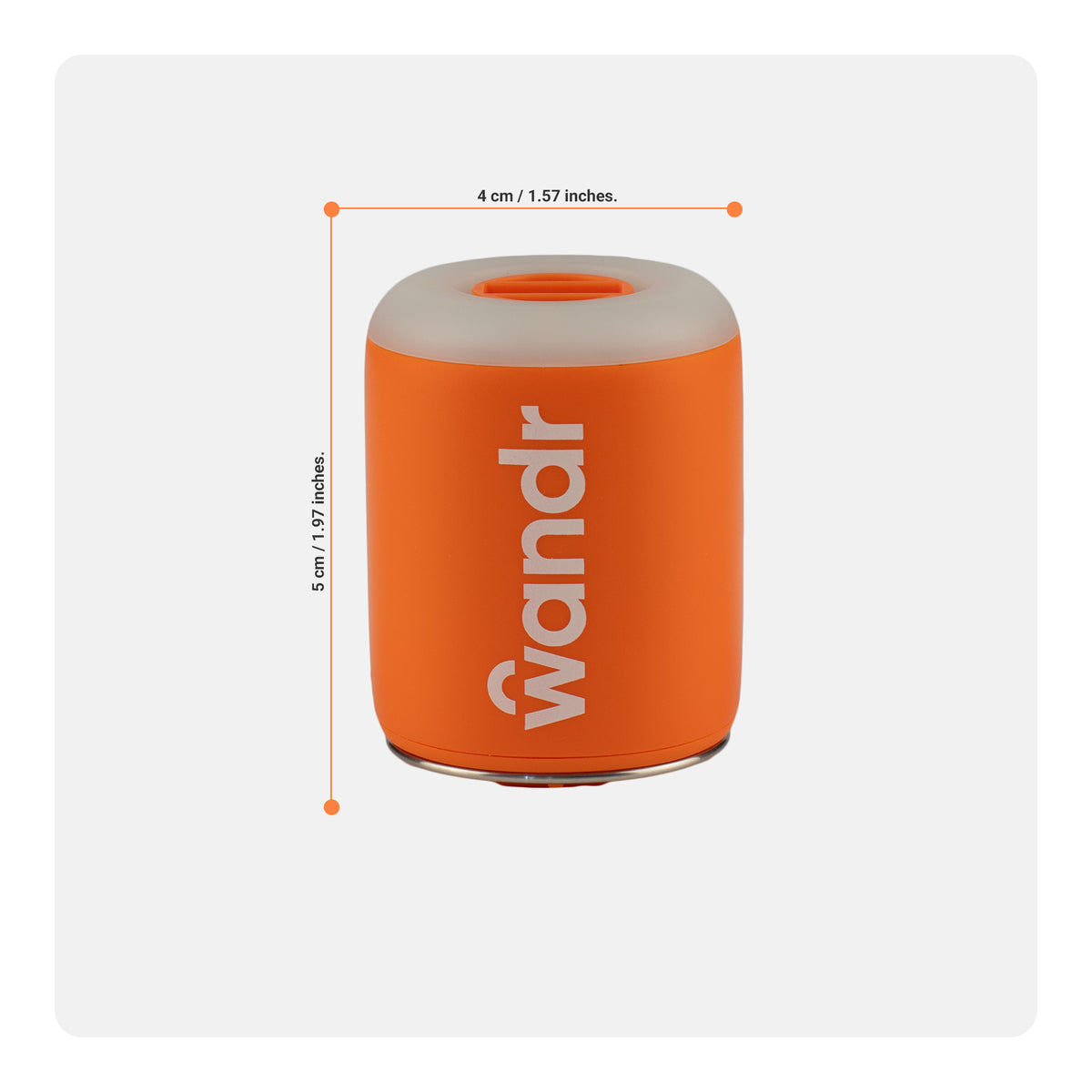
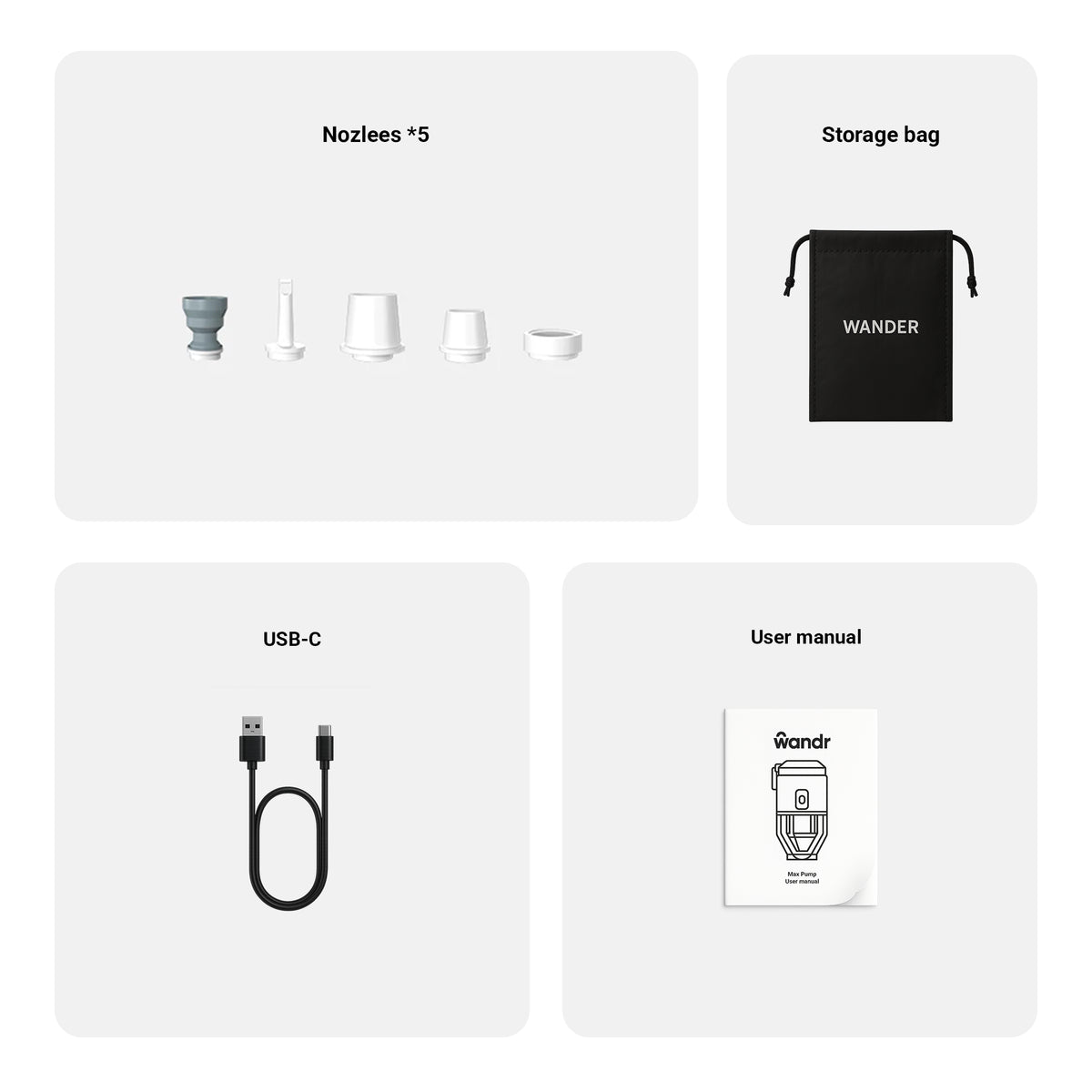
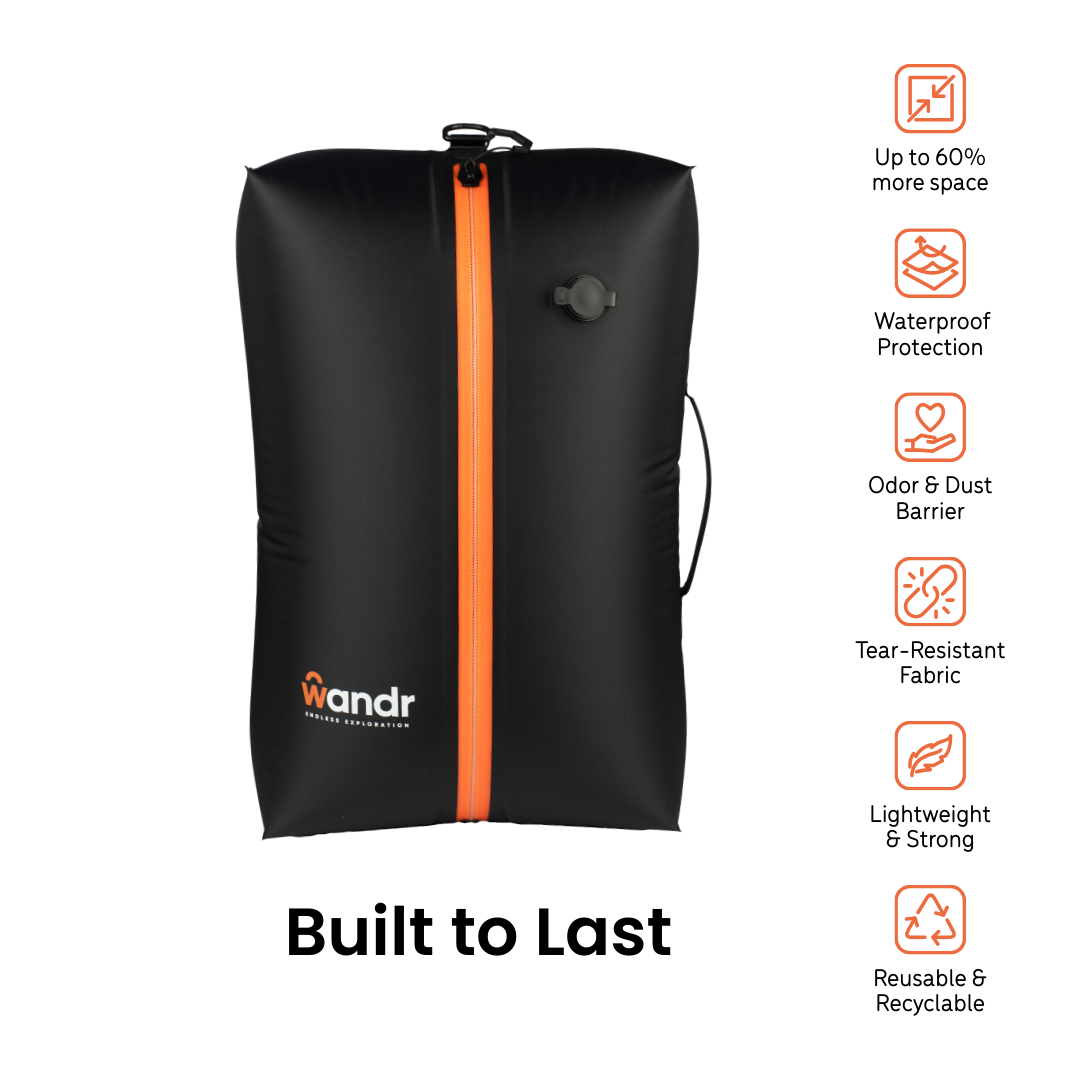
Wandr's W36 is engineered exactly for this: fits inside any 30-36L backpack, compresses clothing to 60%, weighs nothing. The HiPump is our own pump, USB-C rechargeable, inflating and deflating in under 30 seconds. And the Pack 4 bundles four W36 + a HiPump for $120.73 (down from $243.56, −50%) with free shipping, a 60-day trial and a 2-year warranty. For more packing strategy, read how to travel 7 days with a single backpack.
FAQ — the questions everyone asks
What's the biggest backpack I can bring free on any airline? 40 x 30 x 20 cm. This size qualifies as a free personal item on Ryanair, Wizz Air, Vueling and most EU low-cost. On traditional and US carriers it fits with margin to spare.
Does Wizz Air still skip weight checks? No. Since late 2025 Wizz Air declares a 10 kg cabin baggage maximum. If your info is older than that, it's outdated.
Do US carriers really not weigh carry-ons? Officially they don't declare a weight on their sites. In practice, if your bag is heavy and you can't lift it overhead yourself, staff may step in. American Airlines has an internal 18 kg guideline selectively enforced.
Can one backpack work for all these airlines? Yes, if it respects 40 x 30 x 20 cm empty and weighs under 1 kg. A 30-36L base backpack plus a Wandr W36 meets the bar for all 20 airlines in this table.
What happens if I exceed weight on Emirates/Qatar/Singapore? They make you check it at excess baggage rates, which on these carriers are steep (50-150 USD per piece). The compression trick is reduce volume, not weight: same weight, less bulk, doesn't trigger the gate stare.
Is the EU 100 ml rule changing in 2026? No. Regulation (EU) 2015/1998 remains in force. What's changing is airport CT 3D scanner adoption, which lifts the 100 ml limit up to 2 L per container at participating airports.
Does the HiPump pass security? Yes. It's a compact USB-C pump, no gas, no liquid. Passes like any electronic. Security staff sometimes give you the look: a smile and, if needed, a quick demo.
Why does Basic Economy on United/American exclude carry-on? Because US airlines adopted the Ryanair model: rock-bottom base fare + paid extras. In Basic Economy you only get an underseat personal item. Overhead bin = Main Cabin or higher.
Is Aer Lingus low-cost or traditional? Mixed. It belongs to the IAG group (with Iberia and British Airways) but operates multi-tier fares where Emerald is basic (low-cost-like) and the higher fares are full-service. Verify your fare before packing.
How much does the W36 + HiPump combo actually save? For a couple flying 4 times a year on European low-cost, savings on Priority/Cabin Bag (~30€ per flight per person) is ~240€/year. The Pack 4 costs $120.73 (down from $243.56) — and subscribing to the blog gets you $10 off. Pays for itself on the first trip.
Are you choosing a backpack to fly... or to move?
After reading the dimensions of 20 airlines, the question isn't "which backpack will they let me bring?". The right question is:
Am I buying for the trip I'm actually going to take, or for the trip I'm afraid of not being ready for?
Because the perfect backpack isn't the biggest. It's the one that fits the worst of the 20 airlines possible, compresses three times more than it looks, and lets you walk through security with your dignity intact.
The rest of the world, meanwhile, will be paying 44.99€ at the gate, watching their medieval cart go into the metal sizer with the same expression they had walking into school without having studied.
Not you. You'll be two people behind, smiling.
With the W36 packed with honesty.
Related reading
- How to pack for Ryanair and not pay a single euro extra — the specific guide for the elegant villain.
- How to pack a backpack for 7 days of travel — the Wandr packing method + exact clothing list.
- Airline carry-on luggage: what you can and can't bring — deep dive on liquids, electronics, food, prohibited items.
- Pack 4 Wandr — 4 W36 + HiPump for $120.73 (was $243.56, −50%), free shipping, 60-day trial, 2-year warranty. Subscribe to the blog for $10 off.